 Tomorrow’s World was the BBC’s flagship science programme for decades, and – as I remember it – always predicted an exciting future. One of the 1979 editions included a prototype for a cordless telephone… others included an item on the office of the future, and on the first home computer terminal.
Here we are in that future, and yes, we have mobile phones and ‘home computers’. (No robots in my office yet though).
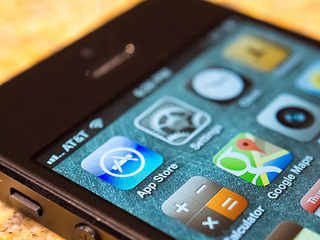
And the rate of change seems to be accelerating. Not only do we have mobile phones, we are increasingly using them to do what ‘home computers’ were designed for – and more. We didn’t have access to the internet on our phones in the 1970’s, you know… but now almost 40% of time spent online is spent using a mobile device and 17% of global web traffic comes from mobile devices.
Naturally, this has – or should have – an effect on your digital strategy. Given the prevalence of the personal computer over the last few years, corporate comms professionals have naturally been using the corporate website, together with email and other outreach options. But given the rate of change, in particular that towards mobile, what approach should you take now?
Communicate Magazine will be hosting an afternoon conference – Best Practice: Corporate Apps – to discuss just this. There’s a great line-up of speakers discussing case studies, thoughts on strategy, and views on the future, together with the chance to network, and a debate.
It will be on October 10, in the Barbican Centre, London. Do come if you can (find out more). It should be both interesting and useful; I’m particularly looking forward to the session on The New Best Practice. Naturally, there’s a hashtag – #BPCA13 – so if you really can’t make it, you can follow online.
I bet the tweetstream around the Tomorrow’s World episodes would have been interesting…