A recent article about Procter & Gamble published by Advertising Age, tells the story of the company’s new focus on design as a catalyst for shaping marketing strategy and building consumer products brands. The new design focus seamlessly integrates product, package and marketing for a stronger presence at the store-level rather than relying on a silo approach that was no longer working.
P&G invested time and money into research, design, and execution to revive many of its brands, and the results so far have been very positive. The company’s new direction requires that every marketing idea can prove its potential for success at the shelf-level before it is pursued.
It’s a bold shift in thinking that feeds off of 2009 research by Nielsen Co., which reported that half of respondents (who came from six developed markets, including the United States) to the Nielsen survey claimed that they learned about new products in-store while just one-third reported television as the place where they learn about new products. Furthermore, 71% of the consumers who reported that they learn about new products primarily in-store cited seeing a product on the store shelf and its package as the source of their awareness. According to these results, in-store promotional displays have clearly been trumped by package design.
Many of P&G’s new design efforts haven’t launched at the store level yet, so results are forthcoming. However, the company can cite a 2-point market share increase for one of its brands since implementing a redesign effort for it.
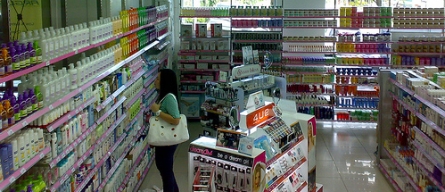
Overall, P&G’s efforts sound positive, primarily because they’re attempting to listen to consumers throughout the redesign process to learn what consumers truly need and want from P&G products and brands. We’ve all been to the supermarket and stood in front of shelves and shelves filled with shampoo trying to find the brand we prefer. And once you find your brand, you need to carefully read each label to ensure you select the formula or scent that you like. P&G is finally accepting that shelf clutter isn’t boosting sales and market share. For example, the company is redesigning its Pantene hair care product line by cutting 25% of the items in the line and adding an easier to read color-coding design to its packages to help consumers find the specific item they want faster and with less frustration.
When was the last time your marketing team took a look at your package design and evaluated its real performance on the shelf? Are you sure your design is working? Consumers’ tastes, needs, and wants change faster than ever these days. Brands need to not only keep up with those changes but also to seek out every possible way to gain even the slightest advantage over the competition. Packaging and design just might be the catalyst for your own brand building efforts.
Image: Flickr