The Apple logo has become an iconic symbol of one of the strongest relationship brands, but it wasn’t always the cool monochromatic, Web 2.0 logo that it is today. In fact, the Apple logo has undergone three major redesigns since the original was created in 1976.
1976
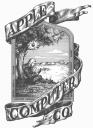 The original Apple logo was created by one of the lesser-known founders of Apple Computer Co., Ronald Wayne. It’s hard to even notice the apple hanging from the tree above Sir Isaac Newton’s head in this image. The text that borders the image (which is too small to read at any size) reads, “Newton… A Mind Forever Voyaging Through Strange Seas of Thought … Alone.” It’s not surprising that this logo only lasted a year as the primary tangible symbol of the Apple brand. There is really nothing positive that you can say about it in terms of branding a technology company.
1977
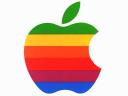 The rainbow apple is the logo that most consumers saw in their introduction to the Apple brand. Apple brand champion Steve Jobs, himself, hired graphic designer Rob Janoff of the Regis McKenna Advertising Agency to design the new logo, and the final design chosen — the rainbow apple — worked. According to some reports, Janoff has claimed the bite taken out of the apple was intended to show people that the image was an apple, not a tomato, and it was a play on words between “bite” and the technical term “byte”.
1998
 One year after Steve Jobs returned to the helm of Apple (after he was ousted from the company years earlier), he called for a logo update, and what came out of this redesign was a color change from the dated rainbow palette to a modern monochromatic version that was also highly web-friendly. The primary color for this Apple logo, which is still used today, is chrome, but it has appeared in other colors as well. In a word, the new logo was sleek and matched the new direction Jobs planned to take the company. The monochrome Apple logo has even been reported as stimulating the brain and making people who are exposed to it more creative (according to a 2008 study by Duke University). The logo redesign in 1998 was subtle, but very effective in repositioning the brand and moving it into a new century in consumers’ minds.
Companies spend millions of dollars on rebranding initiatives, often dropping millions on a logo redesign alone. While I’m sure Apple invested quite a bit in its two logo redesign efforts, the lesson to learn from this history report is this — if there is value in your logo as a tangible symbol of your brand, a complete logo redesign might not be the best strategy to revamp or rebrand. Subtle changes could make a better difference and yield better results. However, sometimes a complete redesign is warranted, as in the case of the original Apple logo, so don’t be afraid to admit when your tangible brand elements just aren’t working.
What do you think?