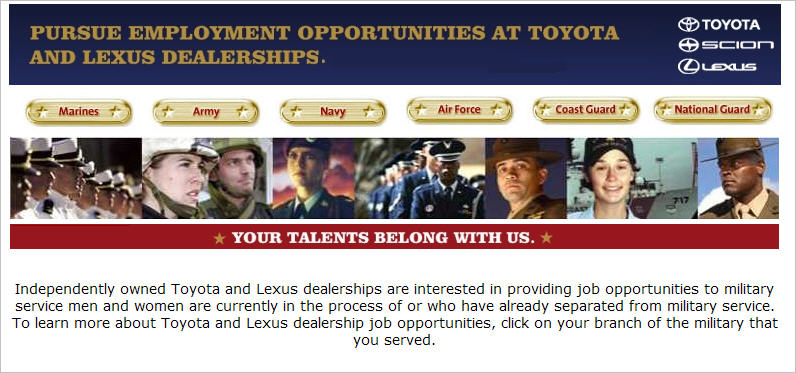
In a recent post I noted that concern over post-traumatic stress disorder (PTSD) could be one reason for high unemployment rates among veterans. Potential employers may fear—or even assume–that soldiers who served in combat zones are likely to suffer from PTSD. And unfortunately, it’s not possible to dismiss these concerns as unjustified. Rates of depression, dysfunction, and even suicide are reportedly high among troops who have fought in Iraq and Afghanistan.
On the other hand, not all or even most combat veterans experience psychological difficulties, and even those who do are not necessarily unable to become productive employees. As AMVETS communications director Ryan Gallucci explained in a recent Washington Post op-ed:
Veterans’ advocates and media outlets have called attention to how PTSD is a normal reaction to the abnormal and profound realities of combat. This message was intended to help veterans recognize it is okay to seek counseling while readjusting to civilian life. Unfortunately, the public may have received the message differently, assuming that all of today’s military men and women must suffer from some kind of mental illness.
In reality, any job applicant, veteran or not, could be experiencing psychological difficulties, or might have been diagnosed with a psychiatric disorder. So it is no more fair to assume that vets are ticking time bombs than to think of every job-seeker as a closet crazy.
Mental health is a complex matter, and there are no simple answers to the dilemmas faced by recruiters and HR organizations. The best plan is to take a step back, view the entire issue objectively, and approach it as a matter of good management. The Canadian consulting group Mental Health Works offers some excellent information for employers, including an overview of best practices for the hiring process. A couple of key tips:
- When creating/posting job descriptions, identify any essential psychological skills required for the position. “Include any interpersonal or ‘emotional’ competencies that the job requires, such as the ability to multi-task or strong decision-making skills under pressure.”
- When reviewing resumes, don’t assume that gaps necessarily mean an employee is not capable. “People with a mental illness may have gaps in their resume due to periods of illness or hospitalization,” but if your organization is committed to equal opportunity hiring for people with disabilities, that fact should not be disqualifying.
Unlike physical disability, which is often evident and relatively easy to understand, mental illness can seem like a mystery—and that makes it more difficult to craft and implement positive policies in this area. For a better understanding of the psychological challenges that face combat troops, read about an innovative program that embeds mental health professionals in U.S. National Guard units. And for insider views of living with mental challenges, learn from Temple Grandin (an expert on animal behavior who writes about her experiences as an autistic person) and Kay Redfield Jamison (a psychiatrist who herself copes with manic-depression).
(Thanks to AnonMoos—great handle!–for the graphic variation on a classic Cretan labyrinth.)