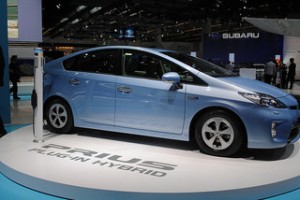
 The 2012 list of the Best Global Green Brands was released by Interbrand this week, and nearly 40% are automotive brands. Considering that automobiles are one of the biggest environmental problems and consumers are demanding fuel-efficient vehicles more than ever, it’s not surprising that 8 of the 21 brands on Interbrand’s list of the Best Global Green Brands are automotive brands.
The automotive brands that made the 2012 list include Toyota (#1), Honda (#3), Volkswagen (#4), BMW (#10), Ford (#15), Mercedes-Benz (#16), Hyundai (#17), and Nissan (#21). These are companies that invest a lot of money into promoting their green initiatives. Since a significant part of the Interbrand scoring methodology relies on consumer perceptions of brands, automotive brands are rewarded for their green marketing investments.
Highlights from the 2012 Best Global Green Brands report include the following:
- Industry: Automotive and technology brands dominate the list.
- Newcomers: Brands appearing on the list for the first time include Nissan (#21), H&M (#46), and UBS (#50).
- Biggest Position Jumps: Brands seeing the biggest jumps from 2011 to 2012 include: Danone (up 5 spots to #9), Ford (up 5 spots to #15), Starbucks (up 6 spots to #36), and UPS (up 6 spots to #43).
- Biggest Position Drops: Brands experiencing the biggest drops from 2011 to 2012 include: 3M (down 10 spots to #11), Nike (down 9 spots to #26), and Allianz (down 9 spots to #30.
- Countries: Countries that lead the list in terms of manufacturing and managing green brands are the United States (22 brands on the list), Japan (7 brands on the list), and Germany (7 brands on the list).
In 2012, corporate sustainability is no longer an option or a differentiator. It’s a necessity. Consumers don’t just want companies and brands to be green, they expect them to be green. As Jez Frampton, Global Chief Executive Officer of Interbrand, explains, “Sustainability has proven to be a strategic and profitable aspect of business and a brand-strengthening asset. It is crucial that consumers’ impressions of a brand are in close alignment with that brand’s actual environmental performance. Otherwise, a brand’s efforts in this area could serve as an under-utilized asset, or conversely, suffer due to accusations of ‘greenwashing.’”
The 2012 report shows that companies are focusing more efforts and budget dollars into sustainability, and they’re doing a better job of promoting those efforts, too. It’s very possible that there are other brands that could be considered greener than the ones on the Interbrand list, but they might not be reporting those efforts externally in a manner that changes consumers’ perceptions.
Are consumers aware of the green efforts your company and brand are doing? If not, it’s time to let them know!
Image: Autoviva