 Remember when you had to be very careful about the content and offers you displayed on your brand website because dial up speeds were so slow? Can you remember when mobile phones were analog only? How about when text messaging from one mobile device to another debuted, but the high cost of each message meant that many people still carried pagers? Remember?
If not, then you’re too young and you missed out on having to search for a pay phone. To you, using a mobile phone is probably less about being able to call someone to pick you up from a friend’s house than it is about being able to digitally chat and share photos with your friends instantly as well as to engage with larger audiences through social media and to look up anything at a moment’s notice through a quick Google search.
If you do remember, then “mobile” is probably important to you but it’s not the only communication method you use. It’s convenient, but it might not be your go-to device to browse the web or ask a friend a question (unless you’re the parent of a teenager, but I digress).
Whether or not you remember what it was like before smartphones became the norm, as a brand marketer, you must leave those times behind and embrace mobile. Eventually, mobile will be the way that people communicate, learn, share content, shop, and more. In the U.K., data from the Office of Communications (OfCom) shows just how quickly mobile is growing and how critical it is for brand marketers to make the strategic shift in focus to mobile.
In OfCom’s The Communications Report, the data tells the story. Time spent using mobile devices for a variety of communication and media activities is on the rise in all age groups while time spent with television, live radio, and mail are flat or falling. Here are some of the key stats:
- Proportion of adults who use their mobile device to access the internet: up from 49% in Q1 2013 to 57% in Q1 2014
- Proportion of UK adults with a smartphone: up from 51% in Q1 2013 to 61% in Q1 2014
- Proportion of adults who live in a mobile only home: up from 15% in Q1 2013 to 16% in Q1 2014
- Number of households taking up tablet devices: up from 24% in Q1 2013 to 44% in Q1 2014
Compare those increases in mobile activities to the decrease in the number of minutes of TV people above the age of four watch each day, which is down from 241 minutes in 2012 to 232 minutes in Q1 2013. Furthermore, listening to live radio is the third most popular audio activity after listening to streaming music and listening to music in personal digital collections, respectively.
You need to take your brand marketing where consumers are. Just as users are shifting more of the time in their days to mobile activities, you need to shift more of your brand marketing budget and activities to the mobile space.
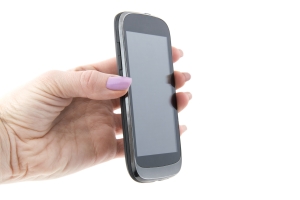
Image: Natalia Pankova