 “The reach of Facebook paid brand posts is dropping.” That quote comes from Michael Fisher, president of Yes Lifecycle Marketing, whose company just released the results of a survey of more than 500 active social media users. According to the data, getting Facebook users to share information and deals about your products and services is far more important than you might realize.
In total, 34% of active social media users have shared some kind of product offering with their followers and 94% of them have shared offers through Facebook (significantly higher than offer-sharing on Twitter and Pinterest, which had been done by 15% and 10% of the respondent audience, respectively).
For marketers, the gold in the data is how people react to seeing brand information and offers on social media sites. According to this survey, consumers are 23% more likely to make a purchase after seeing an offer that was shared by a friend or family member on a social media site than if they saw that offer as a sponsored post published by the brand on a social media site. Furthermore, they’re 55% more likely to make a purchase after seeing an offer shared by a friend or family member via social media than they would if they saw a display ad for the same brand on a social media site.
Brand Ambassadors vs. Affiliate Marketers
Before you run out and try to get more people to talk about your brand and share your brand offers on Facebook and other social media sites, you need to understand that developing brand ambassadors is very different from recruiting affiliate marketers.
While 40% of all social media users who responded to this survey indicated that they would be more likely to share brand offers and deals if they received some kind of incentive to do so, that incentive doesn’t have to be cash. To retain some level of authenticity among your online brand ambassadors, their followers shouldn’t view them as salespeople who are pushing your products and services in an effort to receive monetary compensation. Eventually, their followers will get tired of seeing repeated promotional posts and will stop paying attention to them.
Instead, consider incentives that reward their loyalty. Respondents to the survey said they would be most likely to share brand offers and promotional deals if they received a percent off of their own purchase (36%), money off of their own purchase (26%), or a buy-one-get-one free offer on their own purchase (17%). By rewarding loyalty rather than handing over cash, the brand ambassador’s evangelizing retains more of its authenticity.
Keep in mind, some brand ambassador programs are more successful than others simply because of the type of products or services being offered by the brand. The study found that social media users are most likely to share offers for:
- Restaurants: 58%
- Entertainment: 42%
- Electronics: 31%
- Clothing and Accessories: 31%
- Groceries: 31%
- Travel and Hospitality: 24%
- Pet Supplies: 16%
- Household Goods: 15%
- Professional Services: 13%
- Daily Deals: 13%
- Other: 12%
- Children’s Toys and Supplies: 10%
- Furniture: 4%
Bottom-line, give your loyal customers a reason to be even more loyal and give them offers that they’re confident to share with their followers (because those offers are relevant and attractive). As a result, your brand’s organic social media reach and sales will increase.
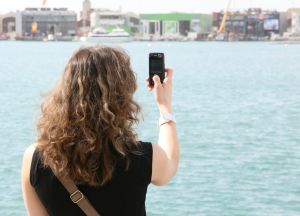
Image: Svilen Milev