 Today’s retail experience is very different from just a few years ago. The integration of mobile into the retail experience has expanded, and the relationship between consumers and brands happens as much through the physical environments inside retail stores as it does in a consumer’s hand through a mobile device.
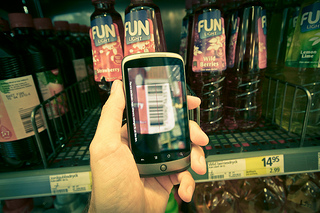
As a customer stands in a retail store, he is faced with a myriad of brands. That hasn’t changed. However, price checking, coupon searching, and finding better deals at other stores are mobile activities that happen at the shelf today. These mobile activities give consumers more control in the retail setting. In other words, it takes more than foot traffic to generate sales.
In fact, many consumers today visit stores to check out products in person with no intention to actually make purchases in those retail stores. They’ll wait to buy until they search for the best deal on the internet using their mobile device (sometimes while they’re still in the store) or on their computer when they get back home. It’s called showrooming, and back in 2012, 43% of U.S. adults were already doing it. You can bet that percentage is much higher in 2014.
Furthermore, consumers are far less likely to “settle” on a specific selection or price offered in a brick-and-mortar store. Why settle when a few taps on your smartphone or clicks on your computer can find exactly what you want in seconds? The days of capturing “convenience” sales from consumers who don’t have the time or energy to search multiple stores to find what they’re looking for are over.
The trick for brand marketers is connecting with consumers while they’re in stores, but it starts long before consumers ever set foot into a physical store. It starts by being the brand that consumers are already connected to on their mobile devices. Deals, coupons, and price comparisons are all short-term, transactional mobile activities, but if a brand can transcend the short-term and connect with consumers for the long-haul, the entire retail experience will improve for consumers. Retailers have been tracking in-store customers by their cell phones for some time because the opportunities to analyze and learn from consumers’ in-store behaviors, coupled with the potential to deliver the right offers to them via their mobile devices while they’re in specific parts of the store, represents a huge opportunity.
With mobile payments and wearable technology making mobile brand marketing prioritization even more important, savvy brand marketers are already entrenched in a “mobile-always” strategy. Are you?
Image: Johan Larsson