 Earlier this year, Google announced Project Tango, an effort with a specific goal—“to give mobile devices a human-scale understanding of space and motion.”
In partnership with research labs, industrial partners, universities, and more from nine countries, the Project Tango team is using the past decade of work in robotics and computer visioning to develop a mobile phone that can scan and map 3D environments.
Google is also working with professional developers to find innovative ways to turn these new capabilities into useful applications.
For example, the video from Google below suggests using the new technology to assist the blind, to determine if furniture will fit in your house, and more.
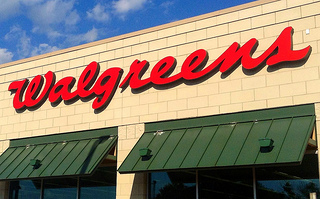
Fast forward to this week and Google’s Project Tango is already being used in some Walgreens’ stores in the United States. Retail mapping company, aisle411, developed unique mobile technology with Project Tango that enhances customers’ in-store experiences. Walgreens is the first store to roll out the new technology.
In simplest terms, Walgreens customers can access a mobile device affixed to their shopping carts which maps the entire store and displays discounts and special promotions as shoppers pass them. Customers can also passively earn loyalty rewards when they walk by specific products in the store, and they can actively find products by typing them into the mobile device.
You can see how the technology works in Walgreens stores in the video from aisle411 below.
In Walgreens stores, the technology displays personalized coupons, offers, and rewards as well as standard offers. As a customer walks by an item, it pops out on the device screen, so they can quickly review the offer and determine if it is one they want to purchase or not. What makes this technology so revolutionary is the passive nature of it. Consumers don’t have to do anything except walk up and down the aisles in a Walgreens store to access discounts and earn loyalty rewards.
According to a press release from aisle411, the Project Tango technology is being piloted in a number of major retailer locations (including Walgreens). Each participating store will use the augmented 3D maps as well as in-store experiences that are meant to engage consumers as they’re shopping.
It seems safe to say that this is just the beginning, and the brick-and-mortar retail experience is poised to change significantly in the near future, particularly in terms of the integration of mobile and real-time engagement. The opportunities for brands are significant!
What do you think?
Image: Mike Mozart licensed CC BY 2.0